Solar financing in India has become a critical aspect of the renewable energy landscape. As the government pushes for increased adoption of solar power, homeowners, SMEs, and commercial property owners are exploring various financing options. Understanding the different types of financing models available can help in making informed choices, including options such as business loans for solar energy.
Key Factors to Evaluate Solar Lenders
When selecting a solar finance company, several factors should be considered to ensure that the chosen lender aligns with your financial capabilities and project goals.
Reputation and Experience
A reputable solar finance company should have a solid track record in the industry. Look for companies that have been in operation for several years and have a history of satisfied customers. Reviews and testimonials from previous clients can provide insight into their reliability and service quality.
Range of Financing Options
Different projects may require different financing solutions. A competent solar finance company should offer a range of options, including loans, leases, and power purchase agreements (PPAs). This variety allows you to choose a model that best fits your financial situation and project needs.
Interest Rates and Terms
Understanding the interest rates and terms offered by solar finance companies is essential. Compare the annual percentage rates (APRs) and the length of repayment terms across different lenders. Lower rates can significantly reduce the overall cost of your solar project.
Customer Support and Service
Good customer service can make a significant difference in your financing experience. Evaluate the level of support offered by potential lenders. Are they responsive to inquiries? Do they provide clear and comprehensive information about the financing process? Effective communication is crucial for a smooth transaction.
Government Initiatives and Support
Familiarize yourself with government initiatives that support solar power financing. The Ministry of New and Renewable Energy (MNRE) offers various schemes and subsidies to promote solar energy adoption. Ensure that the solar finance company you choose is knowledgeable about these initiatives and can assist you in accessing available benefits.
Comparing Financing Models: Loan vs. Lease
When exploring solar financing, two primary models are often considered: loans and leases. Understanding the differences between these options can aid in making an informed decision.
Solar Loans
A solar loan allows homeowners and businesses to borrow money to purchase a solar power system. The borrower then repays the loan over time, typically with interest. Key features of solar loans include:
- Ownership: Borrowers own the solar system, which means they can benefit from tax credits and incentives.
- Monthly Payments: Borrowers make regular payments, which may be offset by the savings generated from the solar energy produced.
- Flexibility: Many lenders offer various loan terms and repayment options, allowing borrowers to choose what fits best for their financial situation.
Solar Leases
A solar lease involves renting the solar equipment from a finance company. The key characteristics of solar leases include:
- No Upfront Costs: Solar leases often require little to no upfront payment, making it an attractive option for those who may not want to invest heavily initially.
- Fixed Monthly Payments: Customers pay a fixed monthly fee for the use of the solar system, which typically remains constant throughout the lease term.
- Limited Ownership Benefits: Since the finance company owns the system, the homeowner may not qualify for certain tax incentives.
Benefits of Rooftop Solar Financing
Rooftop solar financing has gained popularity due to its numerous advantages. Understanding these benefits can aid in the decision-making process.
Cost Savings
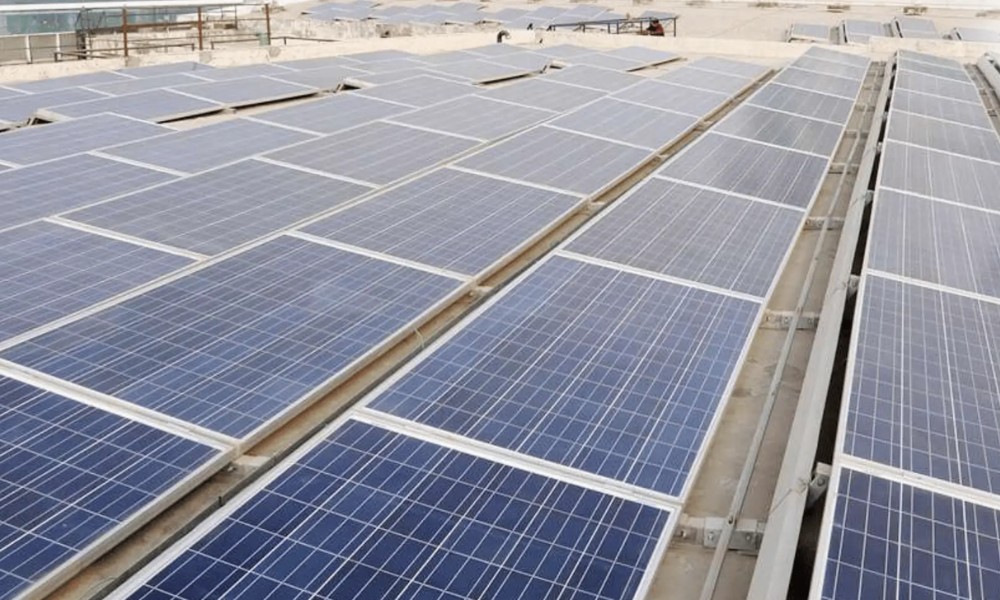
Investing in rooftop solar can lead to significant savings on electricity bills. By financing the installation, property owners can reduce upfront costs while still reaping the financial benefits of solar energy.
Environmental Impact
Financing solar installations helps promote renewable energy adoption. By choosing solar power, homeowners and businesses contribute to a reduction in carbon emissions, supporting sustainability goals.
Energy Independence
Financing options allow property owners to generate their own electricity, reducing reliance on traditional energy sources. This energy independence can be particularly valuable in areas with fluctuating energy prices.
Choosing the Right Solar Finance Company
After evaluating the key factors and understanding the financing models, the next step is to select a suitable solar finance company.
Research and Compare
Conduct thorough research on solar finance companies in India. Compare their offerings, customer reviews, and overall reputation. Resources such as industry publications and forums can provide valuable insights.
Get Multiple Quotes
Request quotes from several solar finance companies to gauge pricing and terms. This will allow you to make a more informed decision based on your financial situation and project goals.
Assess the Application Process
Understanding the application process is vital. Ensure that the company you choose has a straightforward and transparent application process. This can save time and reduce frustration during the financing phase.
The Role of Solar Financing in India’s Renewable Energy Future
Solar financing plays a pivotal role in advancing India’s renewable energy agenda. With government initiatives and increasing consumer awareness, the demand for solar power continues to grow.
Growth of Renewable Energy Adoption
According to recent statistics, India aims to achieve 100 GW of solar power capacity by 2022, emphasizing the importance of financing in reaching this goal. Solar financing not only facilitates individual installations but also contributes to national energy objectives.
Future Trends in Solar Financing
The landscape of solar financing in India is evolving. Innovations in financial products and services, along with increasing competition among solar finance companies, will likely lead to more favorable terms for consumers.
In conclusion, selecting the right solar finance company in India requires careful evaluation of several factors, including reputation, financing options, and customer support. By understanding the nuances of financing models and the benefits of rooftop solar financing, homeowners, SMEs, and commercial property owners can make informed decisions that support their sustainability goals.